
Projects Managed From Permit to Punch List
General contracting in Fort Edward for homeowners planning additions, remodels, or new construction requiring coordinated trades and schedule oversight
Caldwell & Co. Plumbing provides general contracting services for homeowners in Fort Edward undertaking kitchen and bathroom remodels, home additions, or full renovations where multiple trades must work in sequence. You need this when your project involves structural changes, utility relocations, or finishes that depend on precise timing between framers, electricians, plumbers, and finish carpenters. This service coordinates all phases, manages inspections, and ensures each trade completes work before the next begins.
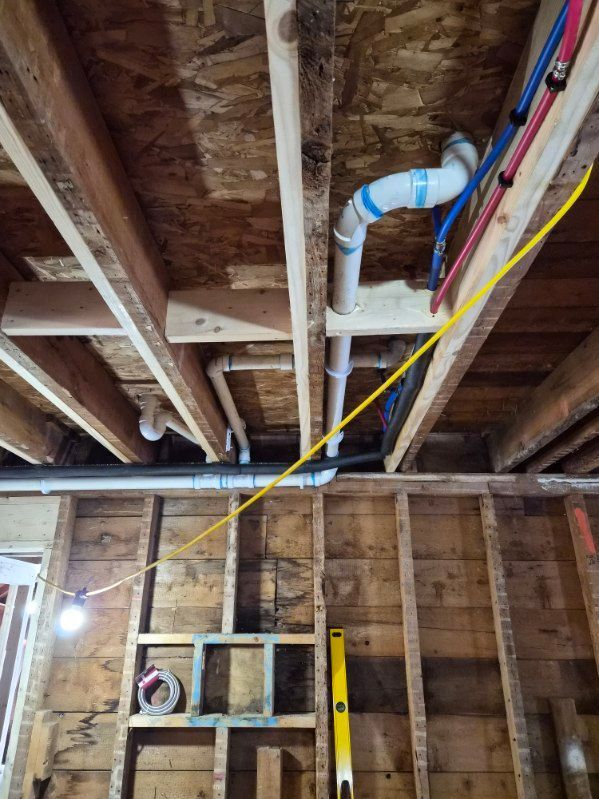
The process starts with reviewing plans, identifying permit requirements, and submitting applications to local building departments. Caldwell & Co. Plumbing schedules subcontractors, orders materials to arrive ahead of installation dates, and monitors progress to catch conflicts before they delay the next phase. Rough-in plumbing, electrical, and HVAC work happens after framing and before insulation; finish work follows drywall, paint, and flooring.
If you're planning a remodel or addition and need someone to coordinate the schedule and manage inspections, contact Caldwell & Co. Plumbing to discuss your project scope and timeline for work in Fort Edward.
How the Coordination Keeps Work Moving
You'll see each phase completed in logical order, with rough inspections passed before walls close and final inspections cleared before occupancy. Subcontractors arrive on the scheduled day with the materials and tools needed for their portion, and any design changes or field adjustments are communicated immediately so other trades can adapt without rework. Delays are minimized because material orders, delivery windows, and labor availability are tracked and adjusted as conditions change.
Caldwell & Co. Plumbing reviews each stage for code compliance, checking stud spacing, fastener schedules, flashing details, and utility clearances before the next trade covers the work. Quality control includes verifying that plumbing fixtures align with finish elevations, electrical boxes land at the correct height for switches and outlets, and tile substrates are flat and stable before setting begins. Punch list items are documented and completed before final payment.
The scope includes coordinating excavation for foundation work, scheduling concrete pours, arranging temporary utilities, and securing the site between work days. Change orders are documented in writing with cost and schedule impacts outlined before any additional work proceeds. You receive regular updates on progress, upcoming inspections, and any issues that require decisions or selections.
What Homeowners Want to Know About General Contracting
Questions often center on how scheduling works, what happens when problems arise, and how quality is maintained across multiple trades and phases.
What does the contractor manage that homeowners typically can't?
Scheduling trade sequences, coordinating inspections with building departments, ordering materials with lead times that match the construction schedule, and resolving conflicts between subcontractors in real time.
How are inspections scheduled and passed?
The contractor requests inspections after each phase—foundation, framing, rough-in, insulation, and final—and ensures all code requirements are met before the inspector arrives, reducing the risk of failed inspections and rework.
When do design changes require new permits or revised plans?
Structural modifications, changes to load-bearing elements, utility relocations, or additions that alter the building footprint typically require amended permits and updated drawings submitted to Fort Edward's building department.
Why does sequencing matter in renovation work?
Framing must be complete before electrical and plumbing rough-in, insulation can't be installed until rough-in passes inspection, and drywall can't be finished until all backing and blocking are in place, so each phase depends on the last.
What happens if a subcontractor's work doesn't meet standards?
The general contractor requires corrections before releasing payment and before allowing the next trade to begin, ensuring defects are caught and fixed early rather than hidden behind finished surfaces.
Caldwell & Co. Plumbing maintains a schedule that reflects current progress and adjusts for weather, material delays, or unforeseen site conditions, keeping you informed as the project moves forward. If you're ready to begin a renovation, addition, or new build, reach out to discuss your plans and how the contracting process will unfold.