Hot Water That Runs When You Need It
Tankless unit install in Fort Edward for homes replacing storage systems with continuous flow water heating
Caldwell & Co. Plumbing installs tankless water heaters for homeowners in Fort Edward who need consistent hot water without the standby energy loss of a storage tank. You call when your current unit fails to keep up with demand, when you're remodeling and want to reclaim floor space, or when your utility bills reflect the inefficiency of heating stored water around the clock. This service replaces your existing system with a unit that heats water only when a tap opens, eliminating the wait and the waste.
The installation begins with removing your old water heater and evaluating your home's gas line capacity or electrical service to confirm it can support the new unit's demand. Tankless systems require higher input rates than storage heaters, so gas lines may need resizing or electrical panels may need dedicated circuits. Caldwell & Co. Plumbing sizes the unit based on your household's simultaneous fixture use and incoming water temperature, ensuring the heater delivers the flow rate you need without cycling off during peak use.
If you're considering a switch to tankless heating and want to know what your home requires, reach out to discuss sizing and fuel source compatibility for Fort Edward installations.
What Changes During a Tankless Conversion
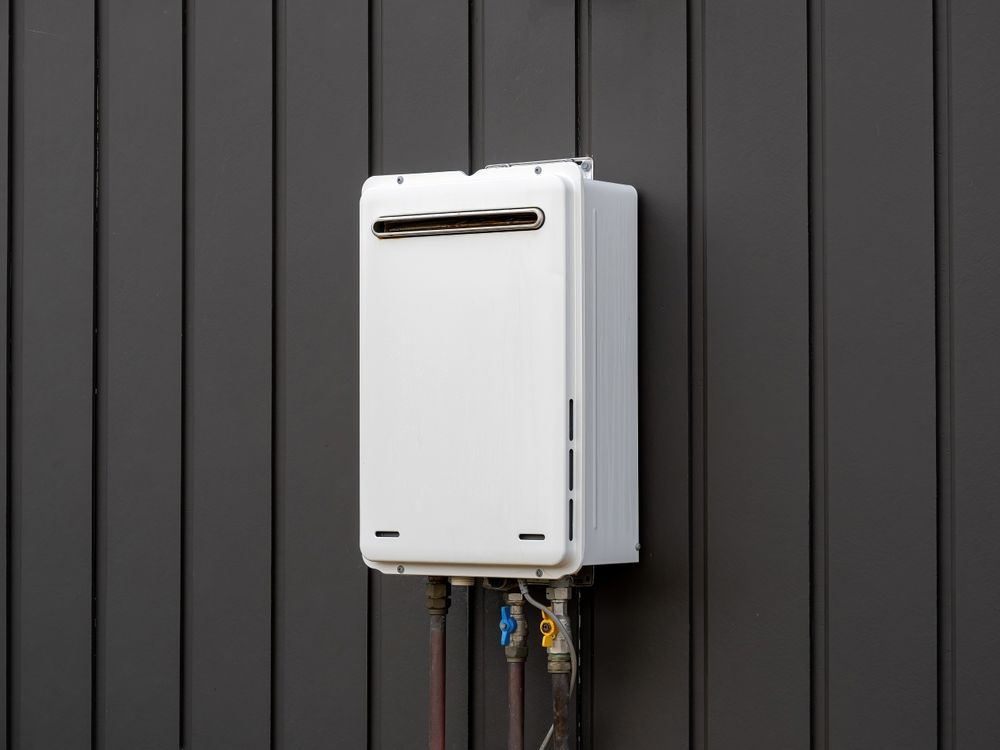
You'll notice the physical footprint shrinks immediately. A tankless unit mounts to the wall, freeing up the floor space your old tank occupied. Venting changes as well—most tankless heaters require PVC or stainless steel venting routed through an exterior wall, not up through a chimney. Caldwell & Co. Plumbing configures the vent path to meet manufacturer clearances and local code, sealing penetrations and supporting horizontal runs to prevent condensation buildup.
After installation, you'll see hot water arrive at the tap within seconds of opening the valve, and it won't run cold midway through a shower or while filling a tub. The unit modulates its burner or heating element to match the flow rate, so temperature stays steady even if someone starts the dishwasher. Your monthly energy use drops because the system isn't maintaining a reservoir at temperature day and night.
The work includes connecting water lines with flexible connectors or copper, installing a shutoff valve and drain valve for future maintenance, and mounting the unit at a height that allows access to the front panel and filters. The system undergoes a full test cycle, during which flow rate, outlet temperature, and ignition response are checked at multiple fixture combinations. Any adjustments to pressure or flow restrictor settings are made before the walkthrough.
Questions About Tankless Installation Work
Homeowners in Fort Edward often ask about fuel compatibility, space requirements, and what happens to their existing setup during the changeover.
What happens to the old water heater during installation?
The existing unit is drained, disconnected from water and fuel lines, and removed from your home, including disposal of the tank and any associated venting if it's no longer needed.
How is the tankless unit sized for the home?
Sizing depends on the number of fixtures you use simultaneously and the temperature rise needed, calculated from Fort Edward's average incoming water temperature, typically between 45 and 50 degrees in winter.
When does a gas line need upgrading?
Most tankless units require a three-quarter-inch or larger gas line to deliver the BTU input needed, which often exceeds what a storage heater used, so line resizing is common.
Why does venting differ from a traditional water heater?
Tankless systems produce cooler exhaust and often use sealed combustion with dedicated intake and exhaust vents, requiring different materials and routing than atmospheric draft venting.
What maintenance does the unit require after installation?
You'll need to flush the heat exchanger annually to remove mineral buildup, clean the inlet screen filter, and check ignition and flame sensors to keep the unit firing reliably.
Caldwell & Co. Plumbing walks you through operation and maintenance during the final inspection, covering how to adjust temperature settings and what to watch for as the system runs. If you're ready to move forward with a tankless conversion, contact us to schedule an evaluation and discuss your home's fuel and venting setup.